Keep Your HVAC Plans Moving
Ventilation Installation and Replacement Services
Ventilation system installation helps improve how air moves through a home or commercial property. A properly planned ventilation setup can support air circulation, moisture control, fresh-air exchange, and overall indoor conditions by helping stale air move out and allowing cleaner air to move through the space.
When ventilation is limited, certain areas may feel stuffy, humid, or stagnant. Odors may linger longer, air movement may feel uneven, and excess moisture can become more noticeable. These conditions can be connected to aging equipment, poor system design, limited exhaust ventilation, or a lack of fresh-air ventilation.
Installing or replacing ventilation equipment begins with understanding how air currently moves through the property. The right approach depends on the building layout, existing HVAC setup, room usage, airflow patterns, and the type of ventilation already in place.
Ventilation installation can include fresh-air systems, exhaust ventilation, circulation improvements, equipment replacement, and upgrades to existing components. The goal is to create a setup that works with the property’s heating, cooling, and airflow needs rather than treating ventilation as a separate system.
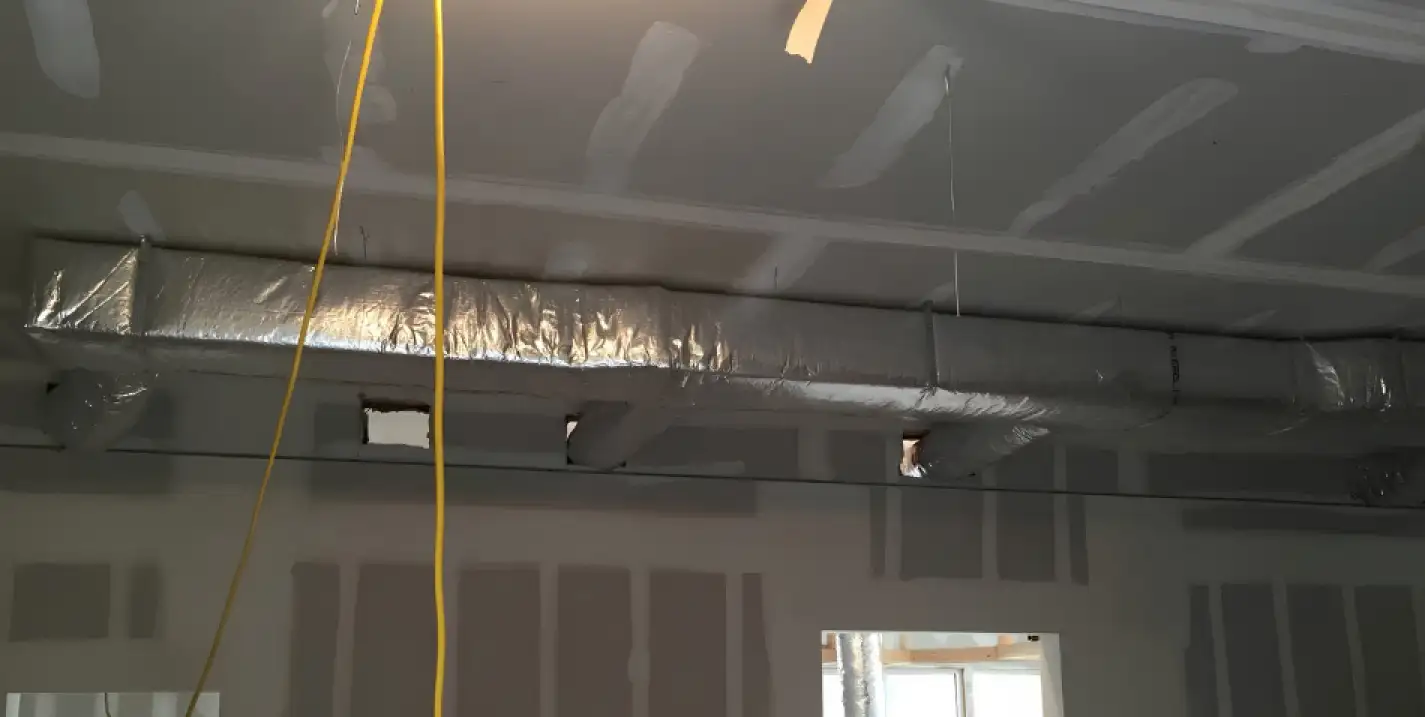
Good air circulation is important for maintaining balanced indoor conditions. When air does not move properly, rooms can feel stale or uneven, and moisture or odors may remain in certain areas for longer periods.
A home ventilation system can help move air more effectively by supporting a steady exchange between indoor and outdoor air or by improving circulation within the property. The exact setup depends on the building and the type of ventilation needed.
Ventilation installation may include:
Fresh air ventilation can help bring outside air into the property in a controlled way. This can be useful in spaces that feel closed off or where natural airflow is limited.
Exhaust ventilation helps remove air from areas where moisture, heat, or odors may build up. Kitchens, bathrooms, utility areas, and other spaces may rely on exhaust systems to move air out of the property.
Air circulation systems can also help distribute air more evenly between rooms or zones. This may be especially useful in properties where some areas feel noticeably different from others.
The purpose of a ventilation system is not simply to move more air. It is to move air in the right way, in the right places, and in coordination with the rest of the HVAC setup.
Ventilation equipment can become less effective over time. Fans, controls, duct connections, and other components may wear out or stop moving air as efficiently as they once did.
A ventilation system replacement may be worth considering when the existing equipment no longer performs properly, creates excessive noise, struggles to move air, or no longer matches the needs of the property.
Common reasons to consider ventilation replacement include:
A replacement project should account for how the old system was designed and whether that design still makes sense. Simply replacing one fan or component with a similar unit may not solve the problem if the ventilation needs of the property have changed.
Ventilation installation can also be part of a larger remodel or HVAC update. If walls, rooms, or usage patterns have changed, airflow requirements may also be different. In those cases, the ventilation setup may need to be adjusted rather than duplicated.
The replacement process may include evaluating existing equipment, reviewing airflow patterns, checking connections, and determining whether the system needs new components or a different design.
Ventilation does not operate in isolation. It works alongside heating, cooling, ductwork, and airflow systems to help manage indoor conditions.
If ventilation is poorly balanced, it can affect how air moves through the property. Too little exhaust can allow moisture or odors to remain, while poor fresh-air flow can make spaces feel stagnant.
A ventilation contractor may evaluate several factors before recommending a new setup, including:
An air circulation system may also be adjusted to support better movement between spaces. This can involve equipment changes, airflow improvements, or modifications to how air is distributed.
Ventilation system installation may be especially useful in areas where indoor air tends to feel stale or where moisture is difficult to control. The right system can help improve movement while working with the property’s heating and cooling setup.
In commercial properties, ventilation needs may be more complex because different spaces may have different occupancy levels, equipment loads, or airflow requirements. A ventilation setup should account for those differences rather than applying the same approach to every area.
Residential properties can also have unique needs. Additions, finished basements, remodeled rooms, and older homes may all require different ventilation approaches depending on the existing layout.
A carefully planned system helps support more balanced airflow without creating unnecessary complications. The key is understanding how air currently moves and where improvements are needed.
Ventilation installation should account for both current needs and how the system will function over time. Equipment placement, airflow direction, control setup, and integration with existing HVAC components can all affect long-term performance.
A well-planned ventilation setup may include:
Ventilation equipment should also be selected based on how frequently the space is used. High-use areas may require different airflow considerations than rooms that are occupied occasionally.
Control options can also affect how the system operates. Some ventilation systems may run continuously, while others may operate based on switches, timers, or other controls.
Ventilation upgrades can also be completed in stages when appropriate. A property may begin by improving one problem area, then update other sections later as needs become clearer.
Choosing ventilation system installation in Ronkonkoma, NY, can help improve air movement, fresh-air exchange, moisture control, and circulation across residential or commercial spaces. By evaluating the existing setup and planning around the property’s layout and HVAC system, ventilation improvements can support more balanced indoor conditions.
Need heating, cooling, ventilation, or commercial HVAC work? Air Master, LLC can help you identify the right service for your system and property.
A ventilation system helps move air through a property, remove stale or humid air, and support fresh-air exchange and circulation.
Replacement may be worth considering when airflow declines, equipment becomes noisy, components stop working, or the current setup no longer meets the needs of the property.
Yes. Ventilation can be planned to work alongside heating, cooling, ductwork, and airflow systems.
Fresh-air ventilation brings outdoor air into the property in a controlled way to support air exchange and circulation.
Yes. Properly planned ventilation can help improve air movement and remove humid, stale, or odor-filled air from problem areas.