Keep Your HVAC Plans Moving
HVAC Retrofit Services
An HVAC upgrade can be a practical way to improve the performance, efficiency, and functionality of an existing heating and cooling system without automatically replacing every component. Many properties have equipment, controls, ductwork, thermostats, or ventilation elements that still have useful service life but may no longer perform as effectively as newer technology allows.
A retrofit focuses on identifying which parts of the system can remain in place and which components may benefit from modification or replacement. This approach can help improve comfort, system responsiveness, airflow, temperature control, and energy use while preserving portions of the existing HVAC setup.
HVAC retrofit work may involve replacing outdated controls, installing a newer thermostat, modifying ductwork, updating selected heating or cooling equipment, improving airflow, or integrating more efficient components into the current system. The exact scope depends on the condition, age, configuration, and performance of the existing equipment.
A well-planned HVAC system upgrade should begin with an evaluation of how the system currently operates. That assessment helps identify where performance is being limited and which improvements may provide practical benefits without unnecessary changes.
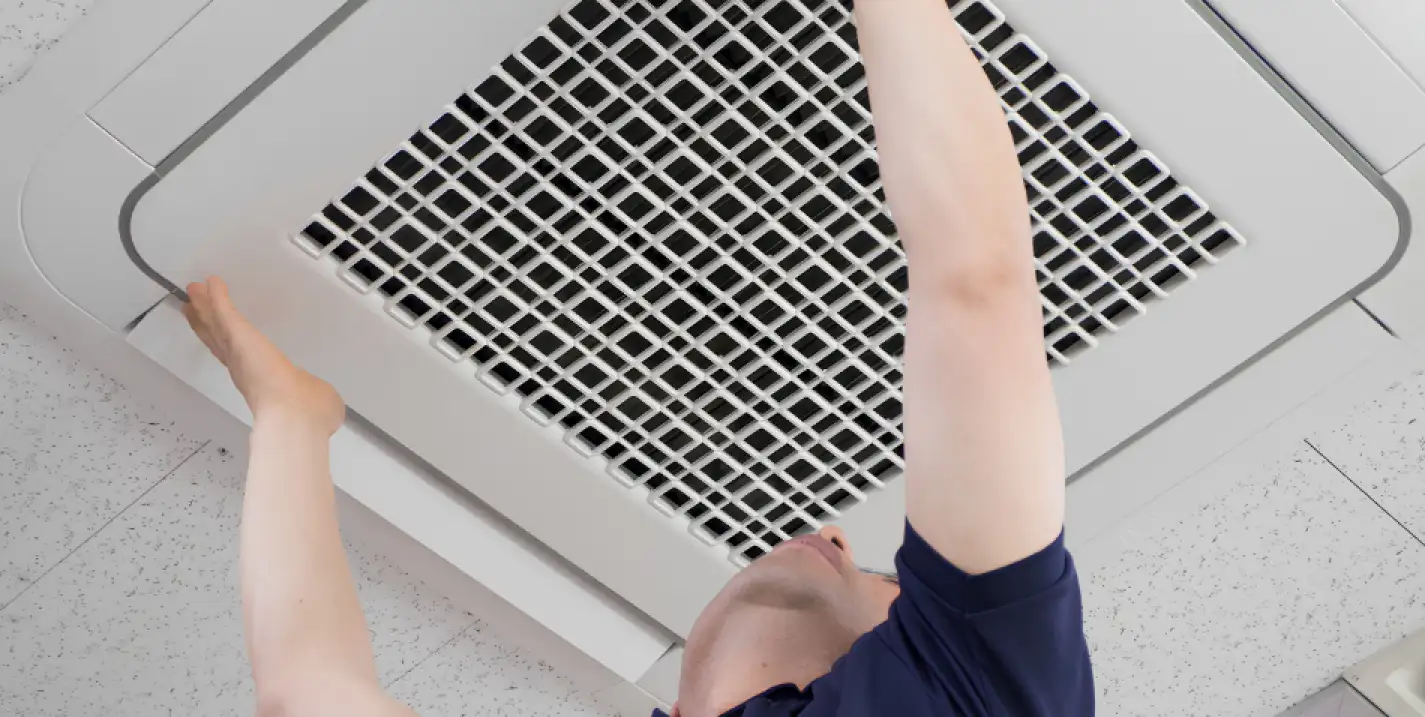
Older HVAC systems can often continue operating even when certain components no longer meet current comfort or performance expectations. A thermostat may have limited controls, ductwork may restrict airflow, or selected equipment may be less efficient than newer alternatives. An HVAC retrofit allows specific parts of the system to be updated while retaining other components that remain functional.
This can be useful for properties where a complete system replacement is not necessary or where individual improvements can address specific concerns. Instead of treating the heating and cooling system as a single piece of equipment, retrofit work looks at how the individual parts work together.
Common HVAC retrofit services can include:
A thermostat upgrade is one example of a focused retrofit. Older thermostats may offer limited scheduling or control options, while updated models can provide more precise temperature management and improved compatibility with newer equipment.
Ductwork modification is another common area of improvement. Restricted, poorly configured, or aging ductwork can interfere with airflow and make it difficult for heating and cooling equipment to distribute conditioned air effectively. Adjusting selected sections may improve circulation without requiring a complete duct replacement.
In other cases, an HVAC upgrade may involve replacing one major component while keeping compatible portions of the existing system. This type of targeted modernization can provide a balanced approach when some equipment still performs properly, and other parts have reached the point where replacement makes sense.
HVAC performance depends on more than the heating or cooling unit alone. Thermostats, controls, ductwork, ventilation components, electrical connections, and airflow pathways all play a role in how effectively the system maintains indoor comfort.
When these parts are outdated or poorly matched, the system may struggle even if the primary equipment still operates. Rooms may heat or cool unevenly, airflow may feel weak, temperature settings may be difficult to maintain, or equipment may run longer than expected.
An HVAC system upgrade can address these problems by focusing on the areas that are limiting performance. For example, an updated thermostat may improve temperature control, while control upgrades may help equipment respond more accurately to heating and cooling demands. Ductwork changes may support better air distribution, and selected component replacements may improve how the entire system functions.
Potential goals of HVAC modernization can include:
A retrofit can also be useful when a property has changed over time. Renovations, additions, room conversions, or changes in occupancy can affect heating and cooling requirements. An existing HVAC system may need adjustments to continue serving the property effectively after these changes.
The goal is not simply to install newer equipment. It is to identify practical improvements that work with the current system and address the performance concerns that matter most to the property.
Every HVAC system has a different layout, equipment history, control setup, duct configuration, and level of wear. Because of these differences, HVAC retrofit work should be based on the actual condition of the existing system rather than a one-size-fits-all approach.
The evaluation process may include reviewing the age and condition of equipment, checking system controls, examining airflow, considering ductwork performance, and identifying components that may be limiting efficiency or comfort. This information can help determine whether selected improvements are practical and how they should be integrated.
An HVAC retrofit may be considered when:
Compatibility is an important consideration during any retrofit. New equipment or controls must work properly with the components that remain in place. Installing an updated part without considering the rest of the system can create performance problems or prevent the upgrade from delivering its intended benefit.
A carefully planned HVAC upgrade considers the entire heating and cooling setup even when only selected parts are being changed. This helps create a more coordinated system and reduces the likelihood of improvements being limited by another outdated component.
Retrofit work can also be completed in phases when appropriate. A property may begin with thermostat and control improvements, then address ductwork or selected equipment later. The right sequence depends on system condition and which changes are most likely to improve operation.
Choosing an HVAC upgrade in Ronkonkoma, NY, can provide a practical path for modernizing existing heating and cooling equipment while preserving components that continue to perform properly. By focusing on targeted changes, property owners can address airflow, controls, equipment condition, and system performance without assuming that every part must be replaced at once.
Need heating, cooling, ventilation, or commercial HVAC work? Air Master, LLC can help you identify the right service for your system and property.
An HVAC retrofit updates or modifies selected parts of an existing heating and cooling system. It may involve controls, thermostats, ductwork, equipment, airflow improvements, or component replacement.
No. A retrofit can update specific components while keeping other parts of the existing HVAC system that remain functional and compatible.
Retrofit work may include thermostats, controls, ductwork, heating or cooling equipment, ventilation components, airflow pathways, and other system elements.
Yes. Ductwork modifications, selected equipment changes, and other system adjustments may help improve airflow when existing conditions are restricting air movement.
An evaluation of the existing equipment, controls, ductwork, airflow, and overall system condition can help determine which components may benefit from an upgrade.