Keep Your HVAC Plans Moving
Commercial HVAC Preventive Maintenance Services
Commercial HVAC maintenance helps property owners and facility managers monitor heating and cooling equipment before small issues develop into larger interruptions. Preventive service focuses on reviewing system condition, checking performance, and identifying signs of wear that may affect operation over time.
Commercial HVAC equipment often runs for long periods and may support large spaces, multiple occupants, or daily business activity. Because of that workload, regular inspections can be useful for tracking how the system is performing and identifying changes before they become more disruptive.
Maintenance may include rooftop unit checks, commercial AC maintenance, commercial heating maintenance, chiller maintenance, airflow reviews, control inspections, and general system performance checks. The exact scope depends on the equipment serving the property.
A preventive maintenance program provides a planned approach to commercial HVAC care. Instead of waiting for a breakdown to reveal a problem, routine service creates opportunities to identify developing concerns, monitor equipment condition, and plan repairs or additional service when needed.
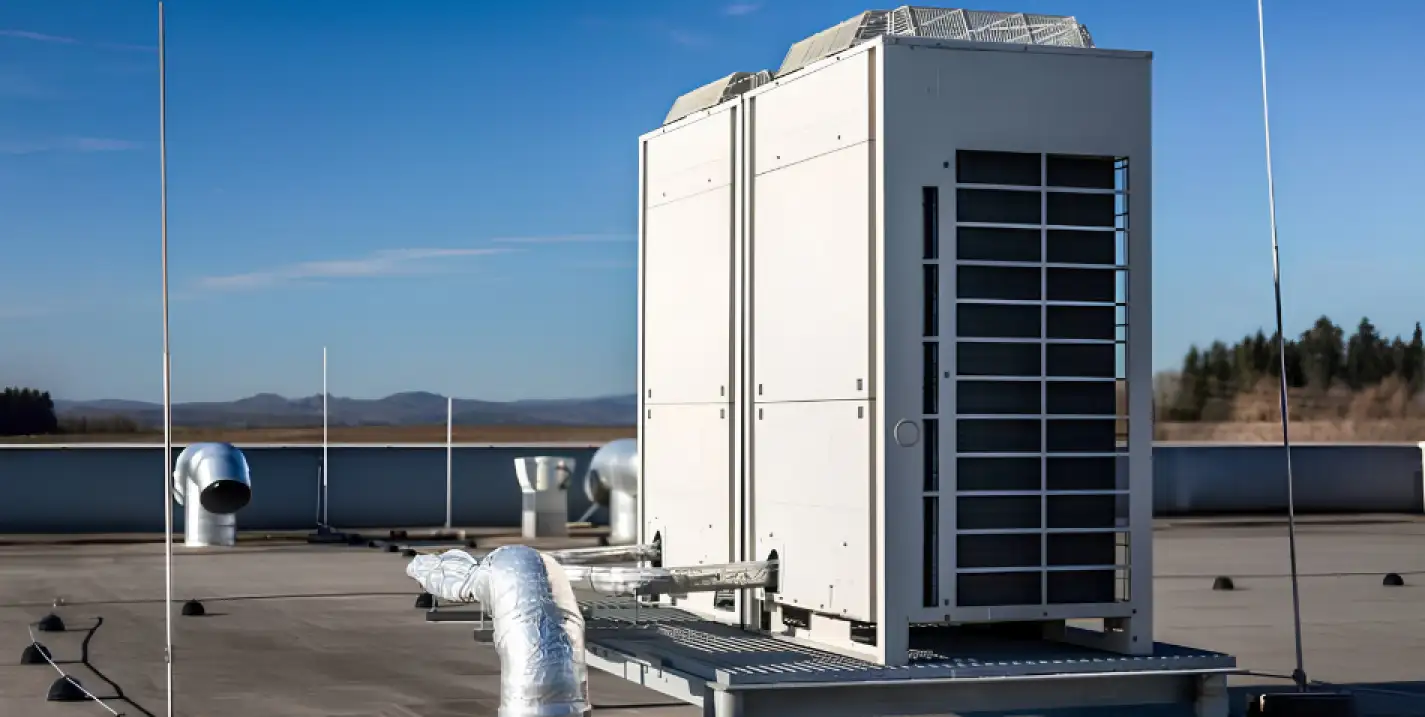
Routine commercial HVAC inspections help identify changes in system operation that may not yet be obvious inside the building. Equipment can continue running even when a component is beginning to wear, or performance is starting to decline.
Commercial HVAC preventive maintenance may include:
An inspection can help reveal issues such as reduced airflow, control problems, unusual equipment operation, or wear on system components. These findings can give property owners more time to plan the appropriate response.
Commercial HVAC maintenance services may be particularly useful before periods of heavier heating or cooling demand. Reviewing equipment before seasonal use increases can help identify concerns while there is still time to address them.
The purpose of preventive care is not to assume that every inspection will uncover a major problem. It is to create a consistent way to review equipment condition and track changes over time.
Commercial AC maintenance can help support cooling equipment through periods of frequent use. When commercial cooling systems operate for long hours, airflow, controls, filters, and other components may require regular attention.
Maintenance may involve checking:
Commercial cooling issues can develop gradually. A system may begin taking longer to cool the building, airflow may weaken, or certain areas may become less consistent than others.
These changes may not cause an immediate shutdown, but they can indicate that the system needs further review.
Commercial chiller maintenance can also be part of preventive HVAC care. Chillers often work with pumps, controls, circulation components, and other parts of a larger cooling system, so maintenance may need to consider how these connected components affect overall operation.
Routine checks help create a clearer picture of equipment condition and can make it easier to identify when additional repair or troubleshooting is needed.
Commercial heating maintenance focuses on checking system condition before and during periods of regular heating demand. A heating system that has remained idle or operated lightly during warmer months may need inspection before heavier seasonal use.
Commercial heating maintenance may include reviewing:
A system may still produce heat even when certain components are beginning to decline. Routine maintenance can help identify these changes before they contribute to a more noticeable performance problem.
Property managers may also notice warning signs such as longer heating cycles, uneven temperatures, repeated system resets, or areas that do not warm as consistently as they once did.
These conditions can provide useful information during preventive service and may help guide further troubleshooting.
One of the main benefits of commercial HVAC preventive maintenance is the ability to observe how system condition changes over time.
A single inspection provides a snapshot of equipment performance, while recurring service can make it easier to notice patterns such as repeated wear, declining airflow, recurring control concerns, or equipment that requires increasing attention.
A scheduled maintenance approach can help property owners monitor:
This information can support better planning for repairs, equipment updates, or future replacement.
Preventive maintenance does not guarantee that unexpected failures will never occur. Commercial HVAC equipment can still experience sudden problems. However, routine inspections provide more opportunities to identify developing concerns before they become larger disruptions.
Maintenance for all makes and models can also help commercial properties with mixed equipment or systems from different manufacturers maintain a more consistent service approach.
Commercial HVAC systems vary by building size, equipment type, occupancy, and operating schedule. For that reason, preventive maintenance should be planned around the actual equipment serving the property.
A rooftop unit may require different attention from a chiller, while a commercial heating system may have different seasonal needs from cooling equipment.
A preventive maintenance plan can consider:
Commercial HVAC maintenance in Ronkonkoma, NY, can help businesses stay ahead of developing heating and cooling problems through routine inspections, performance checks, and planned preventive care.
By monitoring rooftop units, cooling equipment, heating systems, chillers, airflow, controls, and other HVAC components, property owners can gain a clearer understanding of system condition and address concerns before they create larger operational interruptions.
Need heating, cooling, ventilation, or commercial HVAC work? Air Master, LLC can help you identify the right service for your system and property.
Maintenance can include system inspections, rooftop unit checks, commercial AC maintenance, heating maintenance, chiller maintenance, airflow checks, controls, and general performance reviews.
Preventive maintenance can help identify developing equipment concerns before they become more disruptive and provides a way to track system condition over time.
Yes. Commercial HVAC maintenance can include heating systems, cooling equipment, rooftop units, chillers, airflow components, and controls.
Yes. Chiller maintenance can be included as part of a broader commercial HVAC preventive maintenance plan.
No. Routine maintenance cannot prevent every unexpected failure, but it can help identify wear, performance changes, and developing issues earlier.