Keep Your HVAC Plans Moving
Heating Repair and Maintenance/Tune-Up Services
Furnace repair services help address heating problems that can affect indoor comfort and system operation during colder weather. When a furnace stops producing heat, runs differently than usual, or struggles to maintain the selected temperature, professional troubleshooting can help identify the cause of the problem and determine the next step.
Heating issues can develop for many reasons. A thermostat may stop communicating correctly, an ignition component may fail, airflow may become restricted, or electrical and control problems may interfere with normal operation. In some cases, the system may still run but provide uneven or limited heat. In others, the furnace may shut down completely.
Heating system maintenance can also help identify developing problems before they cause a larger interruption. A heating tune-up provides an opportunity to review how the system is operating, inspect applicable components, check airflow, and look for signs of wear or malfunction.
Furnace repairs and maintenance address different needs, but both help support proper heating system operation. Whether the issue is an unexpected no-heat condition or routine seasonal care, evaluating the equipment can help determine what attention is needed.
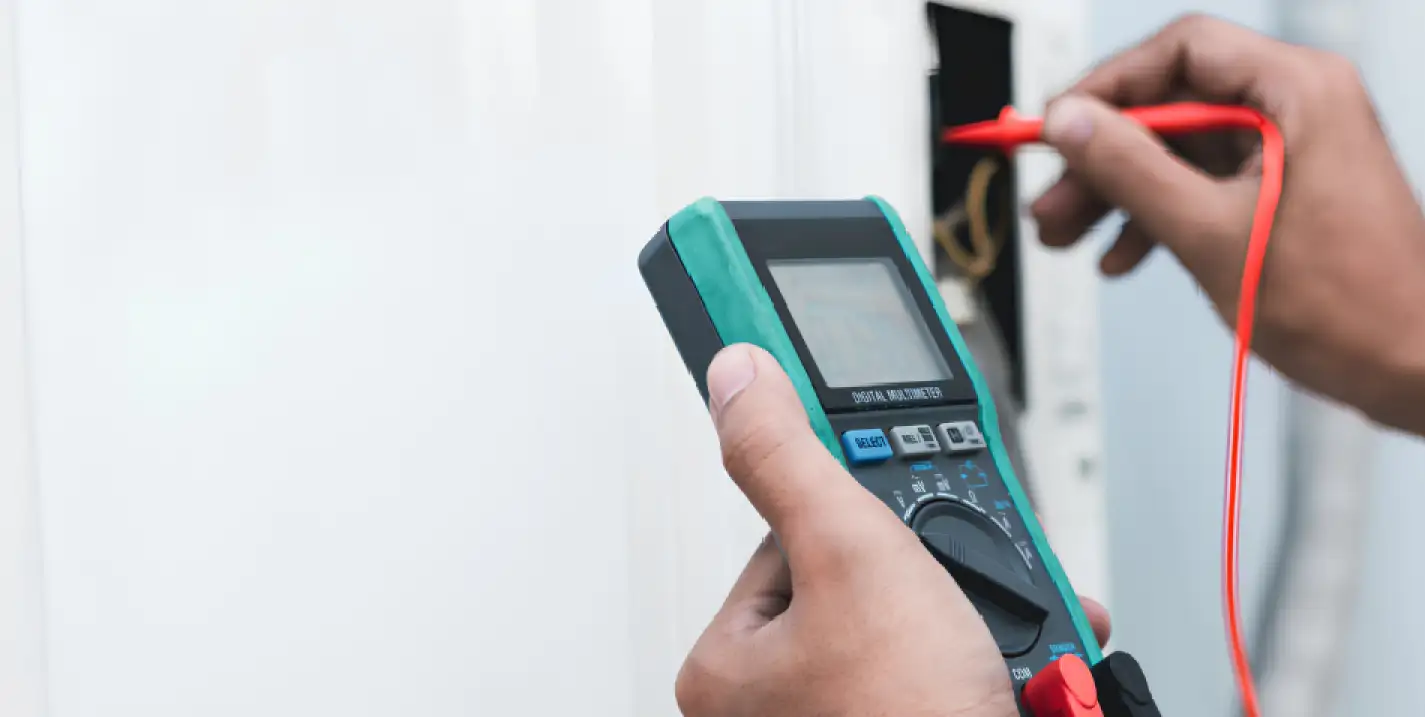
A heating problem is not always caused by the most obvious component. If a home feels cold, the issue may involve the thermostat, ignition system, blower, airflow, electrical controls, or another part of the equipment. Proper troubleshooting is important because treating only the visible symptom may leave the underlying problem unresolved.
Furnace repairs may address:
A no-heat condition may occur when the furnace does not start, starts but shuts down quickly, or operates without producing enough warm air. Each of these symptoms can have a different cause, which is why careful system evaluation matters.
Thermostat problems can also create heating issues. If the thermostat does not communicate correctly with the system, the furnace may fail to start, cycle at the wrong times, or operate differently from the selected temperature setting.
Blower and airflow concerns can make rooms feel unevenly heated even when the furnace is producing warm air. Restricted airflow can limit how effectively heated air moves through the home and may affect overall system performance.
Heating repair services should focus on identifying the specific condition of the equipment before repairs are made. This helps determine whether a component needs adjustment, repair, or replacement.
Heating maintenance services provide an opportunity to inspect system operation before periods of heavier use. Routine care can help identify worn components, airflow concerns, thermostat issues, and other conditions that may interfere with reliable heating.
A heating tune-up does not eliminate the possibility of future repairs, but it can help reveal developing issues while the system is still operating. This is especially useful for equipment that has been in service for several seasons or has shown changes in performance.
Heating system maintenance may include:
Filter condition may also affect airflow and system operation. When airflow becomes restricted, the furnace may have more difficulty moving heated air through the home. Routine maintenance provides an opportunity to identify these types of concerns as part of the overall system review.
Furnace maintenance services can be particularly useful before colder weather begins. Reviewing the equipment ahead of heavier seasonal use can provide time to address developing issues before the heating system is under greater demand.
Homeowners may also use maintenance visits as an opportunity to ask about changes they have noticed, such as longer cycles, uneven room temperatures, unusual noises, or differences in thermostat response.
Heating problems often become more noticeable as equipment continues to operate. A furnace may begin with an occasional startup issue, reduced airflow, or inconsistent heating before the problem develops into a complete system interruption.
Prompt furnace repair can help address these conditions while they are still manageable. The appropriate repair depends on the source of the problem and the condition of the affected component.
Ignition and electrical problems can prevent a heating system from starting properly. Control issues may also cause the furnace to cycle incorrectly or shut down unexpectedly. Blower problems can interfere with the movement of heated air, while airflow restrictions may affect temperature consistency throughout the home.
Homeowners should consider heating repair when they notice:
Emergency heating repairs may be needed when a complete system failure occurs during cold weather. In these situations, prompt troubleshooting can help identify whether the problem involves controls, ignition, airflow, the blower, electrical components, or another part of the system.
Heating system service should also consider how different components work together. A symptom in one area may be connected to another part of the system, which is why proper diagnosis is important before any repair is made.
Routine furnace maintenance can support this process by establishing a clearer picture of system condition over time. When changes are identified early, homeowners have more information about whether the issue calls for adjustment, repair, or further evaluation.
Furnace repair services in Ronkonkoma, NY, can help address no-heat conditions, ignition problems, thermostat concerns, blower issues, restricted airflow, and other heating system problems. Combined with routine maintenance and seasonal tune-ups, timely repair can help homeowners keep their heating equipment operating properly throughout colder weather.
Need heating, cooling, ventilation, or commercial HVAC work? Air Master, LLC can help you identify the right service for your system and property.
A lack of heat, uneven temperatures, unusual noises, weak airflow, thermostat problems, repeated shutdowns, or changes in normal operation can indicate a need for service.
A tune-up may include reviewing system operation, thermostat response, airflow, blower performance, controls, electrical components, and other applicable heating parts.
Possible causes include restricted airflow, thermostat issues, ignition problems, blower concerns, electrical controls, or other system component problems.
Yes. Regular maintenance gives technicians an opportunity to inspect the system and identify developing concerns before they become more disruptive.
Check the thermostat and confirm that the system has power. If the furnace still does not operate correctly, professional troubleshooting can help identify the cause.