Keep Your HVAC Plans Moving
Ductless Mini-Split Installation and Maintenance
Ductless mini-split installation provides a practical heating and cooling option for spaces where traditional ductwork may not be available, efficient, or necessary. These systems can serve individual rooms or multiple zones, allowing different areas of a property to receive targeted temperature control without relying on one central ducted system.
A ductless setup typically combines an outdoor unit with one or more indoor units. Each indoor unit serves a designated area, making it possible to control comfort room by room or zone by zone. This flexibility can be useful for additions, remodeled spaces, older homes, finished areas, rooms with inconsistent temperatures, and properties where adding conventional ductwork would be difficult.
Ductless systems can provide both cooling and heating, depending on the equipment selected. They may also be used as part of a broader HVAC setup rather than as the only system in the property.
Proper installation is important because system sizing, indoor-unit placement, refrigerant connections, drainage, electrical setup, and control configuration all affect performance. Ongoing maintenance is equally important for keeping filters, coils, airflow, and system components operating properly over time.
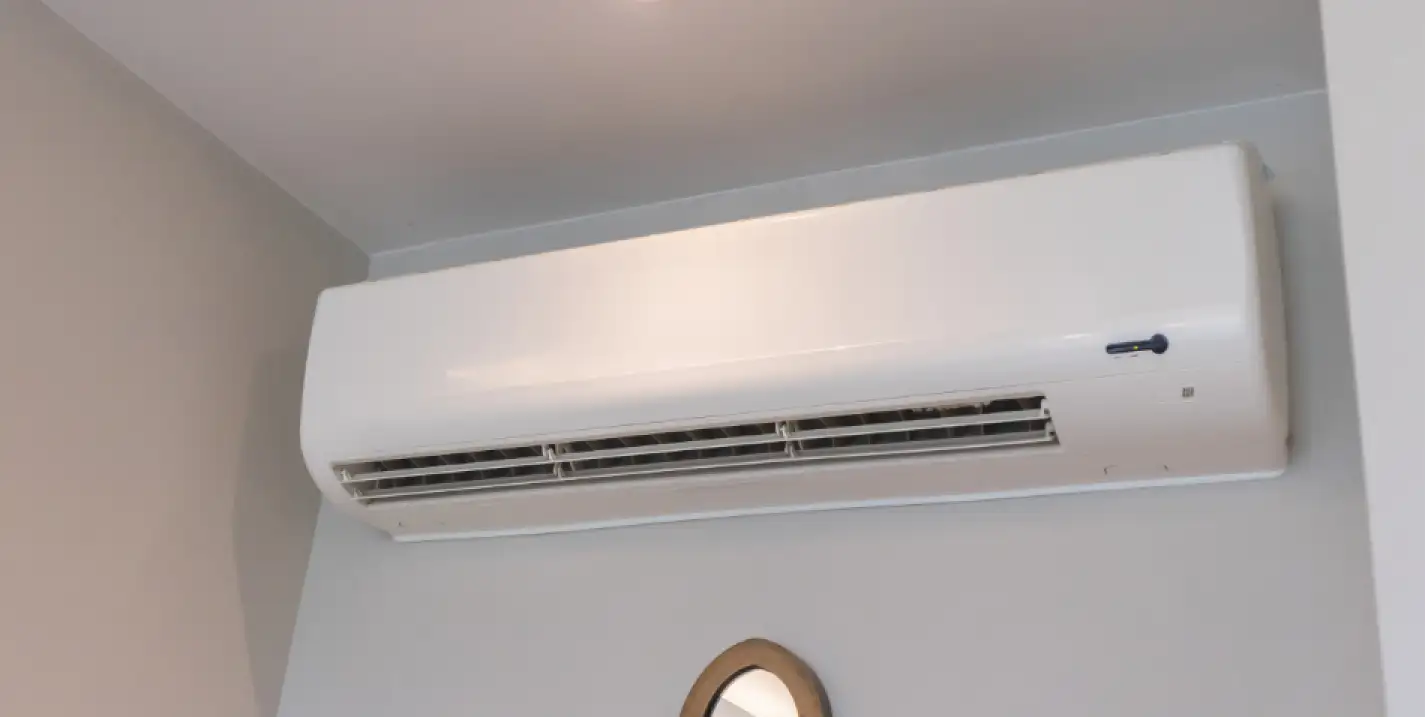
One of the primary reasons homeowners consider mini-split installation is the ability to condition spaces without extending a full duct network. In many properties, adding new ducts can require major changes to walls, ceilings, or other finished areas. A ductless system offers another path for delivering heating and cooling directly to the room or zone where it is needed.
Ductless AC installation can be especially useful in areas that do not connect well to an existing central system. A finished attic, garage conversion, home addition, workshop, enclosed porch, or older room layout may have different comfort needs from the rest of the property. A mini-split can provide targeted temperature control without requiring the entire HVAC system to be reconfigured.
Common ductless applications include:
Single-zone systems serve one specific area, while multi-zone systems can connect several indoor units to one outdoor unit. The right setup depends on how many areas require conditioning, how those spaces are used, and the heating and cooling demands of each zone.
Ductless heating can also provide useful temperature control during colder conditions when paired with equipment designed for heating operation. This allows one system to address both seasonal cooling and heating needs in applicable spaces.
A successful ductless mini-split installation depends on more than choosing an indoor and outdoor unit. The system needs to be planned around the size, layout, usage, and comfort needs of the space.
Indoor-unit placement affects how conditioned air moves through a room. A poorly placed unit may have difficulty distributing air evenly, while a well-planned location can support more consistent comfort. The outdoor equipment also needs appropriate placement to allow airflow and provide access for service.
System sizing is another important consideration. Equipment that is too small may struggle to reach the desired temperature, while oversized equipment may cycle differently than intended. Matching the equipment to the space helps support more stable operation.
Installation may involve:
A ductless system can also be integrated into a property that already has another form of heating or cooling. For example, a mini-split may serve one renovated area while the rest of the home continues using a central HVAC system.
This type of targeted installation can help address rooms that remain uncomfortable even when the primary system is operating. Instead of changing the entire property setup, ductless equipment can focus on the specific areas that need separate control.
The planning stage should also consider how the property is used throughout the day. A zone that is occupied frequently may have different comfort needs from a guest room or occasional-use area. Independent controls make it possible to manage these spaces separately.
Mini-split maintenance is an important part of keeping the system operating as intended after installation. Like other heating and cooling equipment, ductless units collect dust and debris and rely on clean airflow and properly functioning components.
Filters are one of the most visible maintenance items. Dirty filters can restrict airflow and affect the system’s ability to move conditioned air through the space. Indoor coils and other components can also accumulate debris over time.
Ductless mini-split maintenance may include:
Routine mini-split service gives technicians an opportunity to identify developing issues before they become more disruptive. For example, reduced airflow, unusual sounds, water around an indoor unit, or inconsistent temperature control may indicate that part of the system needs attention.
Ductless mini-split repair can address problems that prevent normal operation. These may involve controls, drainage, electrical components, airflow, refrigerant conditions, or other parts of the system.
Common signs that a ductless system may need service include:
As a Mitsubishi Diamond Dealer, specialized support is available for Mitsubishi ductless equipment, while service can also be provided for other makes and models. This is useful for properties with existing systems from different manufacturers or for owners comparing replacement and service options.
Choosing ductless mini-split installation in Ronkonkoma, NY, can provide targeted heating and cooling for spaces where traditional ductwork is not the right fit. With proper planning, installation, and ongoing maintenance, ductless systems can support flexible zone control and consistent comfort across individual rooms or multiple areas.
Need heating, cooling, ventilation, or commercial HVAC work? Air Master, LLC can help you identify the right service for your system and property.
A ductless mini-split uses an outdoor unit and one or more indoor units to provide heating and cooling without relying on traditional ductwork throughout the property.
Yes. Many ductless systems are designed to provide both heating and cooling, depending on the selected equipment and application.
A single-zone system serves one area, while a multi-zone setup connects multiple indoor units to condition several rooms or spaces independently.
Yes. Filters, coils, drainage, airflow, controls, and other system components should be checked periodically to support proper operation.
They are often used in additions, remodeled spaces, older homes, finished basements or attics, rooms without ductwork, and areas that need independent temperature control.