Keep Your HVAC Plans Moving
Residential HVAC Emergency Services
A sudden heating or cooling failure can make your home uncomfortable quickly, especially when outdoor temperatures are extreme. Emergency HVAC services are designed for situations that cannot wait for routine scheduling, such as a complete loss of heating, a failed air conditioner, unusual system behavior, or a breakdown that prevents your equipment from operating normally.
When an HVAC system stops working, the first priority is identifying what caused the failure. The issue may involve the thermostat, electrical controls, blower assembly, refrigerant system, ignition components, airflow, or another part of the equipment. A proper diagnosis helps determine whether the problem can be corrected with a targeted repair or whether a larger system concern needs attention.
Residential emergency HVAC support can address both heating and cooling problems across many types of systems. This may include emergency AC service during hot weather, emergency heating repair during colder conditions, no-cooling situations, no-heat conditions, electrical failures, thermostat problems, and equipment that suddenly shuts down.
Prompt troubleshooting can also help prevent continued operation from placing added strain on a malfunctioning system. When something sounds, smells, or operates differently than usual, having the problem evaluated can clarify what is happening and what repair steps are appropriate.
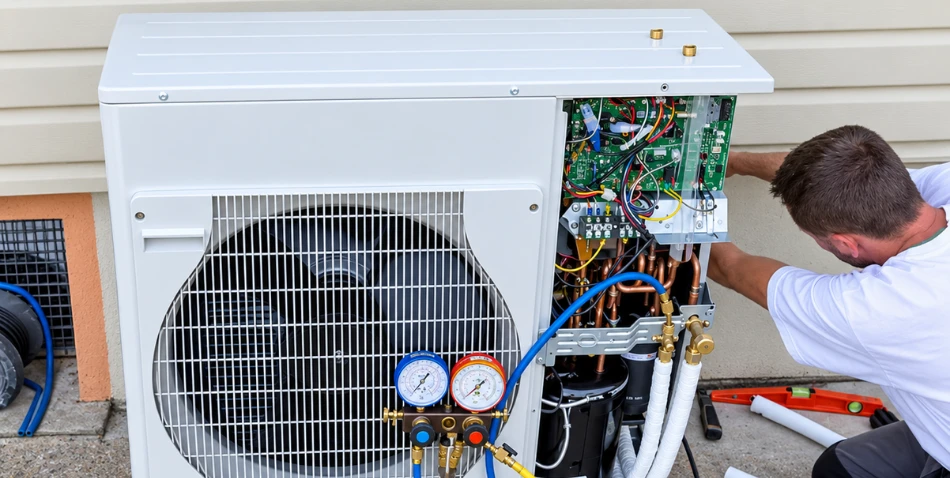
An HVAC breakdown often starts with one failed component, but the visible symptom does not always reveal the actual cause. For example, a home may feel warm because the air conditioner is not cooling, but the source could be a thermostat issue, electrical problem, low refrigerant condition, frozen coil, failed blower, or restricted airflow. The same applies to heating systems, where a no-heat condition may involve ignition problems, controls, airflow, a thermostat, or another system component.
Emergency HVAC troubleshooting begins by evaluating the symptoms and checking the equipment that controls heating or cooling operation. This process can include reviewing thermostat settings, inspecting electrical connections, checking airflow, examining system components, and determining whether the equipment is starting and cycling correctly.
Common residential emergency HVAC problems include:
Finding the source of the problem matters because replacing or adjusting the wrong component may not solve the actual issue. Accurate troubleshooting helps narrow down the cause so the repair can focus on the part of the system that is preventing normal operation.
Heating and cooling equipment often gives warning signs before a complete breakdown. A system may begin making unusual noises, cycling more often than normal, producing weak airflow, or struggling to maintain the thermostat setting. In other cases, failure happens suddenly and leaves the home without working heating or cooling.
Emergency AC service is especially important when the system stops cooling during periods of high temperatures. A cooling failure may be connected to electrical controls, refrigerant conditions, a thermostat malfunction, fan problems, frozen components, or restricted airflow. Continuing to run equipment that is not operating properly may place additional stress on parts that are already having difficulty.
Emergency heating repair can involve similar diagnostic steps. A heating system that will not start, does not produce enough warm air, or shuts down unexpectedly may have problems with ignition, electrical controls, airflow, the blower assembly, thermostat communication, or other heating components.
Situations that may require 24-hour HVAC repair include:
Prompt attention helps determine whether the system can be repaired safely and returned to operation. It also provides clear information about the condition of the equipment and whether further repair or replacement should be considered.
Emergency heating service and cooling repair should focus on correcting the immediate problem while also checking for conditions that may have contributed to the failure. HVAC equipment operates as a connected system, so one malfunction can affect another part of the heating or cooling process.
For example, poor airflow can make an air conditioner work harder and may contribute to frozen coils or uneven cooling. A blower problem can prevent conditioned air from moving through the home even if the heating or cooling equipment itself is producing the correct temperature. Thermostat problems can prevent equipment from starting, cycling correctly, or responding to indoor temperature changes.
A focused emergency HVAC evaluation can include reviewing system operation, checking controls, examining airflow, identifying electrical concerns, and evaluating key heating or cooling components. Once the cause is identified, the next step is determining whether a repair can restore normal operation or whether the condition points to a larger equipment issue.
Emergency HVAC support can address:
Homeowners may also benefit from paying attention to changes in system performance before complete failure occurs. Weak airflow, longer operating cycles, repeated restarts, inconsistent temperatures, or unusual sounds can indicate that a component is beginning to fail.
When an urgent heating or cooling problem occurs, timely troubleshooting helps identify the cause and determine the appropriate next step. Emergency HVAC services provide a direct way to address sudden residential system failures and restore normal heating or cooling operation when the equipment stops working as expected.
Need heating, cooling, ventilation, or commercial HVAC work? Air Master, LLC can help you identify the right service for your system and property.
A complete loss of heating or cooling, electrical issues, repeated system shutdowns, unusual odors, or other failures that significantly affect system operation may require emergency service.
Yes. Emergency service can address urgent air conditioning and heating problems, including no cooling, no heat, thermostat, airflow, electrical, and system failure concerns.
Check the thermostat and confirm that the system has power. If the equipment still does not operate correctly, professional troubleshooting can help identify the cause.
Many problems can be repaired once the cause is identified, but the repair depends on the condition of the equipment, the failed component, and whether replacement parts are required.
Continuing to operate equipment with unusual noises may cause additional strain. Turning the system off and having it inspected can help determine what is causing the problem.